
Rooftop Units in Sheboygan Falls, WI

Rooftop Units in Sheboygan Falls, WI
Commercial rooftop HVAC units are the backbone of comfort and indoor air quality for Sheboygan Falls businesses. With the region s distinct cold winters, humid summers, and occasional lake effect weather from nearby Lake Michigan, rooftop units must be selected, installed, and maintained to handle wide temperature swings, snow and ice loads, and elevated corrosion risk.
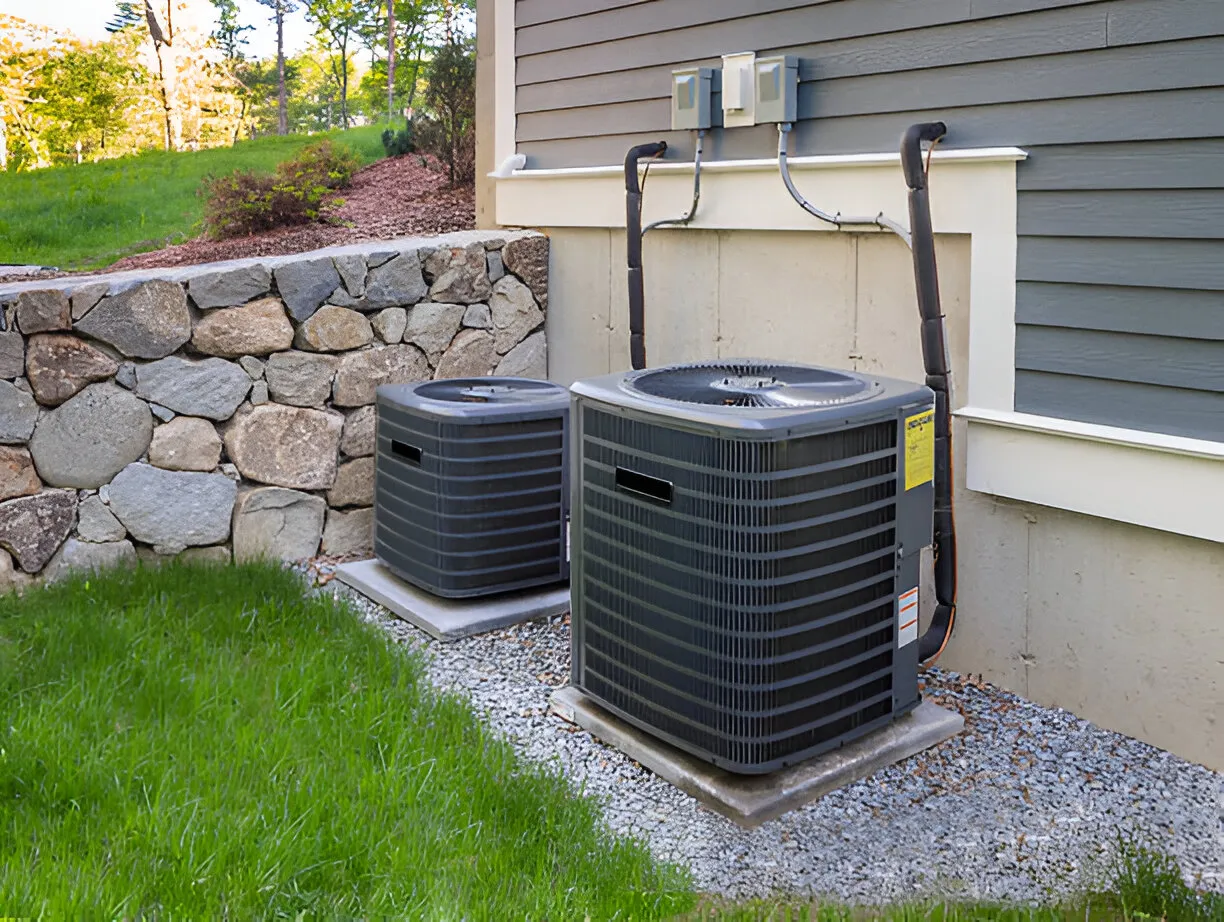
Common rooftop unit services in Sheboygan Falls, WI
- Installation and replacement of packaged rooftop units for retail, industrial, and office buildings
- Preventive maintenance plans with seasonal changeovers and performance tuning
- Emergency diagnostics and repairs for compressor, fan, controls, and refrigerant failures
- Rooftop access planning, rigging, and crane coordination for heavy equipment
- Controls troubleshooting including thermostats, building automation integration, and economizers
- Energy upgrade consulting: high-efficiency units, VFDs, demand control ventilation, and heat recovery
Typical problems and common causes
- Reduced cooling capacity in summer: often caused by low refrigerant, dirty coils, or failing compressors
- Inconsistent heating in winter: common causes include failed gas valves, blocked flue, or malfunctioning gas safety controls
- Economizer not providing free cooling: stuck dampers, faulty sensors, or control logic errors
- Excessive rooftop corrosion: accelerated by humid lake air and winter road salt spray
- Vibration and noise complaints: failing bearings, loose mounts, or rooftop structural issues
Unit selection and sizing
Proper unit selection and sizing is critical. Oversized units short cycle and reduce dehumidification while undersized units cannot maintain setpoints on extreme days. Key steps include:
- Load calculation based on building envelope, occupancy, lighting, and equipment gains
- Consideration of Sheboygan Falls climate design conditions for heating and cooling
- Selecting efficiency levels and options: two-stage compressors, variable-speed blowers, ECM motors, and economizers
- Coordination with ductwork capacity and rooftop structural load limitsSizing decisions directly affect energy use, occupant comfort, and lifecycle cost. Energy efficiency upgrades can reduce operating expenses and improve indoor comfort year round.
Rooftop access and rigging logistics
Rooftop work requires careful planning to protect your roof and meet local regulations:
- Site survey to determine roof type, penetrations, access hatches, and weight limits
- Rigging plan that lists crane placement, lift path, and temporary roof protection
- Permitting and local code coordination as required by Sheboygan County and municipal officials
- Use of roof curbs, vibration isolation, and curb adapters to maintain roof integrity
- Fall protection and safety systems for technicians during installation and maintenanceProper logistics reduce installation time and prevent roof damage or structural issues after the unit is placed.
Controls and economizer troubleshooting
Economizers and rooftop controls offer major energy savings when functioning correctly. Common troubleshooting steps:
- Verify outdoor air sensor calibration and damper actuator operation
- Inspect dampers for ice, debris, or mechanical binding after winter months
- Check control logic and setpoints in the rooftop control board or building automation system
- Test carbon dioxide or occupancy-based demand ventilation if installed
- Replace failed sensors, actuators, or control modules and verify sequence of operationsIn Sheboygan Falls, economizer performance can save significant cooling hours during mild spring and fall conditions, so timely repairs restore both comfort and savings.
Preventive maintenance and seasonal inspections
Regular preventive maintenance extends equipment life and reduces emergency repairs. Recommended scope:
- Spring startup: clean condenser coils, inspect refrigerant charge, test safety controls, and confirm airflow
- Fall winterization: check heat sections, gas pressure, flue integrity, and freeze protection
- Quarterly roof-top inspections for corrosion, flashings, drains, and curb integrity
- Filter replacement schedules aligned with occupancy and indoor air quality needs
- Controls calibration and belt, motor, and electrical inspectionsScheduled maintenance is often a condition of manufacturer warranties and keeps rooftop units operating efficiently through Sheboygan Falls weather extremes.
Emergency repair and typical service timelines
Business disruption from rooftop unit failure requires fast, competent action. Typical timelines:
- Emergency phone triage and remote diagnostic guidance: within hours
- Onsite assessment and temporary repairs (to restore service): same day where possible
- Major part replacement (compressor, control board): 1 to 3 business days depending on part availability
- Full unit replacement and rigging: planning and permitting 1 to 2 weeks; crane day and install typically 1 to 3 daysResponse expectations vary with season, part lead times, and rigging complexity. Winter emergencies may require temporary heat solutions while permanent repairs are scheduled.
Energy upgrade options and long term value
Upgrading rooftop units can deliver measurable savings and comfort improvements:
- High-efficiency rooftop units with higher SEER/EER and higher heating AFUE for gas sections
- Variable frequency drives (VFDs) on supply fans for staged airflow and energy reduction
- Optimized economizers and demand-controlled ventilation for variable occupancy spaces
- Heat recovery and energy recovery ventilators for facilities with high ventilation needs
- Retrofits that replace motors with ECMs, add smart controls, or improve ductwork balanceReturn on investment is influenced by local energy costs, operating hours, and incentive programs. In Sheboygan Falls, energy upgrades pay off for buildings with long operating hours or significant ventilation requirements.
Safety, warranty, and compliance information
Safety and warranty considerations should guide every rooftop project:
- Fall protection, rooftop anchorage, and safe material handling are mandatory during service
- Installation methods, duct connections, and control wiring must follow manufacturer instructions to preserve warranty coverage
- Local codes, fuel piping regulations, and mechanical permits must be observed for gas-fired units
- Documentation of maintenance and repairs supports warranty claims and extends equipment lifeRoutine professional maintenance also helps avoid voided warranties caused by neglect or improper installations.
.png)
The Healthy Home Club is a year-round home maintenance plan designed to prevent breakdowns, catch issues early, and provide priority service when needed.
Essential Plan
$29/month
Annual HVAC, plumbing & electrical inspections
Priority scheduling
Priority scheduling
Reduced diagnostic fees
10% off repairs
Complete Plan
$39/month
Everything in essential
No after-hours diagnostic fees
15% off repairs
Extended warranty eligibility
Total Protection $49/month
Everything in complete
Annual water heater flush
Advanced system checks
1 free emergency dispatch per year
VIP priority scheduling
HVAC
Seasonal tune-ups to keep systems running efficiently
Plumbing
Annual whole-home inspection to catch issues early
Electrical
Safety inspection to identify risks
Most Home Breakdowns Are Preventable
Most issues don’t happen overnight — they build over time. The Healthy Home Club helps catch problems early so homeowners can avoid unexpected repairs.
Member Benefits
- Priority service
- Discounts on repairs
- No after-hours fees
- Fewer unexpected breakdowns