
Furnace Repair Maintenance in Menomonee Falls, WI

Furnace Repair Maintenance in Menomonee Falls, WI
A reliable furnace is essential for Menomonee Falls homes, where cold winters and frequent temperature swings put heavy demand on heating systems. Furnace Repair Maintenance in Menomonee Falls, WI combines diagnostic repair and scheduled upkeep to restore performance quickly and keep your system running efficiently through the season.
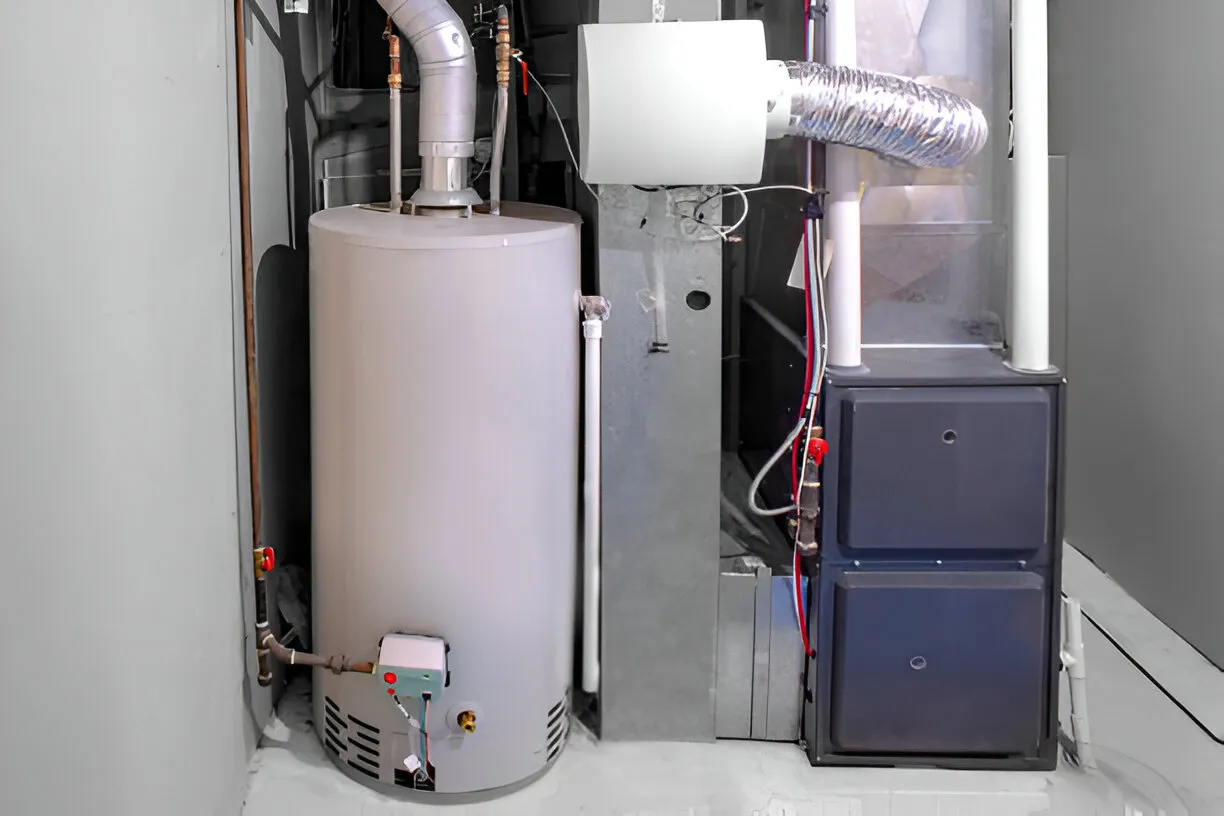
Why combined repair and maintenance matters in Menomonee Falls
Local winters are long and temperatures often drop below freezing. Furnaces that go unrepaired or fall behind on maintenance are more likely to fail at the worst possible time. Combined repair and maintenance provides immediate fixes for current problems plus preventive care to reduce repeat visits, improve safety, and extend equipment life. Homes in Menomonee Falls also face seasonal humidity changes and older housing stock, which can accelerate wear and expose hidden issues like corroded components or duct leaks.
Common furnace issues in Menomonee Falls
Residents here commonly see the following problems, especially after heavy use through fall and winter:
- Clogged or dirty air filters causing reduced airflow and short cycling
- Ignition problems: intermittent pilot lights or electronic ignition failures
- Faulty thermostats or wiring leading to inaccurate temperature control
- Blower motor failures or worn belts producing weak airflow or noise
- Cracked heat exchangers from long-term thermal stress, risking carbon monoxide
- Dirty burners and delayed ignition producing yellow or uneven flames
- Frequent on/off cycling caused by airflow restriction or improper sizing
- Condensate or drainage issues in high-efficiency units during freeze-thaw cycles
Diagnostic procedures: what to expect
Effective diagnosis starts with a systematic assessment to isolate cause and scope:
- Visual inspection of the furnace cabinet, venting, and combustion chamber for corrosion, cracks, or soot.
- Check of airflow path: return vents, filters, ducts, and blower assembly.
- Thermostat calibration test and wiring inspection.
- Ignition system testing: pilot, flame sensor, or hot surface ignitor checks.
- Combustion analysis and heat exchanger inspection for cracks or leaks.
- Electrical component testing: capacitors, relays, motors, and control boards.
- Safety control checks: limit switches, pressure switches, and CO presence if indicated.
In emergency situations, technicians prioritize safe operation and rapid stabilization: isolate hazards, restore heat via temporary fixes when possible, and schedule follow-up repairs for permanent solutions.
Emergency and scheduled repair workflows
- Emergency workflow: On safety concerns or complete loss of heat, technicians perform triage, secure the system, perform essential repairs to restore safe heating, and document any parts or labor needed for full repair.
- Scheduled repair workflow: For non-emergencies, technicians follow a documented repair plan: in-depth diagnostics, parts procurement, coordinated work windows, and post-repair verification including system run tests and client review of performance.
Both workflows include a final safety and performance check to confirm the system reaches and holds set temperatures, cycles appropriately, and operates without unsafe emissions.
Routine maintenance checklist
Regular maintenance prevents most emergency calls and keeps efficiency high. A comprehensive furnace maintenance visit typically includes:
- Replace or inspect air filters and recommend correct filter MERV rating
- Clean burners and inspect ignition assemblies
- Inspect and test the heat exchanger for cracks or deterioration
- Lubricate blower motor bearings and inspect belts
- Clean and inspect the blower wheel and housing
- Test thermostat accuracy and recalibrate if necessary
- Inspect flue and venting for blockages or corrosion
- Test safety controls, limit switches, and electrical connections
- Measure system pressures and temperatures to evaluate performance
- Provide a written report with observations and recommended actions
For Menomonee Falls homes that use older systems or run heating nearly continuously through winter, semiannual checks (fall start-up and spring shutdown) are often recommended.
Parts replacement: when it is necessary
Remaining safe and efficient often requires replacing worn parts rather than repairing them repeatedly. Common replacements include:
- Air filters (routine)
- Ignitors or flame sensors
- Thermostats or control modules
- Blower motors, belts, and capacitors
- Burners and associated nozzles or valves
- Heat exchanger replacement when cracks are detected (safety critical)Technicians evaluate repair vs replacement based on safety impact, expected remaining life, and overall system efficiency.
Service agreements and benefits
A preventive service agreement offers predictable maintenance and priority handling during peak season. Typical agreement features:
- Scheduled annual or biannual tune-ups timed before high-demand months
- Priority dispatch and preferred appointment windows during cold snaps
- Discounted labor or parts pricing for enrolled systems
- Detailed maintenance records and safety inspections saved for warranty compliance
- Seasonal checklists tailored to high-efficiency or older furnaces
For homeowners in Menomonee Falls, agreements help ensure systems are winter-ready and reduce the risk of emergency failures when temperatures fall.
Expected response times and scheduling
- Emergency calls: technicians aim to respond the same day when possible during extreme cold or suspected safety hazards. Response windows may vary by season and local demand.
- Non-emergency repairs and maintenance: routine visits are typically scheduled within a few business days to a week, with off-season appointments offering greater flexibility.
- Service agreements generally provide faster scheduling and priority during peak winter months.
Tips to prevent breakdowns and improve efficiency
- Replace air filters monthly during heavy use to prevent strain on the blower and improve airflow.
- Keep vents and returns unobstructed by furniture or stored items.
- Program thermostats to reduce unnecessary cycling and consider a smart thermostat for adaptive control and energy savings.
- Seal and insulate ducts in basements and crawl spaces to prevent heat loss and lower runtime.
- Schedule annual maintenance in fall before sustained cold arrives.
- Install and maintain carbon monoxide detectors on each floor and test them regularly.
- Address odd noises, smells, or increased energy use promptly; small symptoms often precede larger failures.
Final note on safety and value
Timely furnace repair and regular maintenance protect your home and family from unexpected failures and safety risks, especially in Menomonee Falls where winters are long and harsh. A combined approach reduces downtime, improves efficiency, and can extend equipment life—delivering the reliable heat needed when you need it most.
.png)
The Healthy Home Club is a year-round home maintenance plan designed to prevent breakdowns, catch issues early, and provide priority service when needed.
Essential Plan
$29/month
Annual HVAC, plumbing & electrical inspections
Priority scheduling
Priority scheduling
Reduced diagnostic fees
10% off repairs
Complete Plan
$39/month
Everything in essential
No after-hours diagnostic fees
15% off repairs
Extended warranty eligibility
Total Protection $49/month
Everything in complete
Annual water heater flush
Advanced system checks
1 free emergency dispatch per year
VIP priority scheduling
HVAC
Seasonal tune-ups to keep systems running efficiently
Plumbing
Annual whole-home inspection to catch issues early
Electrical
Safety inspection to identify risks
Most Home Breakdowns Are Preventable
Most issues don’t happen overnight — they build over time. The Healthy Home Club helps catch problems early so homeowners can avoid unexpected repairs.
Member Benefits
- Priority service
- Discounts on repairs
- No after-hours fees
- Fewer unexpected breakdowns