
Air Purifiers in Cedarburg, WI

Air Purifiers in Cedarburg, WI
Indoor air quality matters year round in Cedarburg, WI. Cold, dry winters, humid springs, and periodic smoke or odor events can increase allergens, mold spores, pet dander, and fine particles inside older homes and historic buildings. Whether you are evaluating a standalone room unit or a whole-house air purifier, understanding technology, sizing, placement, maintenance, and how these systems compare to HVAC filtration will help you choose the right solution for better health and comfort in Cedarburg homes.
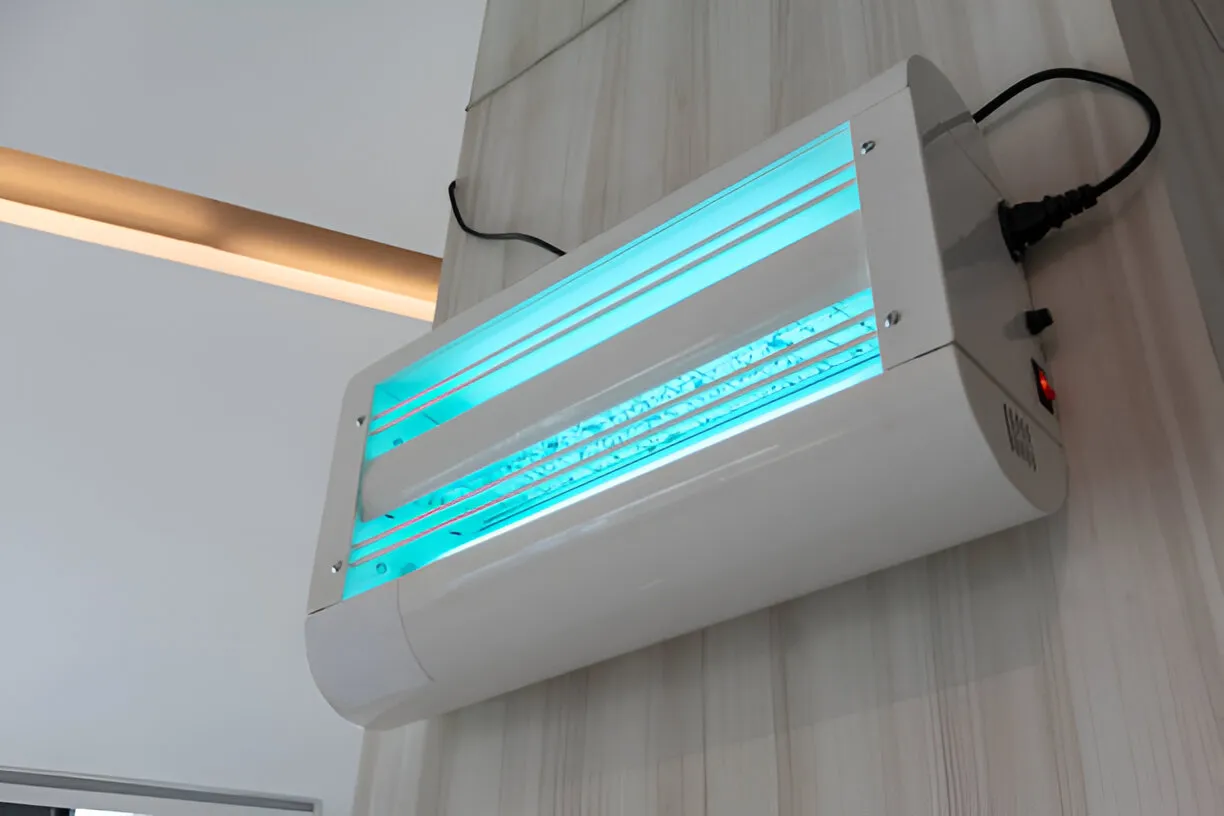
Why Cedarburg homes benefit from air purifiers
- Seasonal pollen and mold spores increase in spring and fall in southeastern Wisconsin.
- Older homes and historic structures common in Cedarburg often have more air leakage and aging ductwork that let in outdoor allergens and dust.
- Winter brings low indoor humidity and increased time spent with windows closed, concentrating indoor pollutants like pet dander, VOCs, and cooking smoke.
- Wood-burning fireplaces, grilling, and occasional regional wildfire smoke can raise fine particle levels inside, where high-efficiency filtration or activated carbon is helpful.
Common air quality problems in Cedarburg
- Allergies and sinus irritation from tree and grass pollen
- Persistent odors from cooking, pets, cigarettes, or musty basements
- Fine particles and smoke from wood burning or regional smoke events
- Lingering dust and dander in older homes with high occupant density
- Mold spores and damp-related pollutants in basements and older foundations
Standalone vs whole-house air purifiers
Standalone air purifiers
- Best for targeted use: bedrooms, nurseries, home offices, or living rooms.
- Portable and easy to install: plug in, set fan speed, and run continuously or on a schedule.
- Effectiveness depends on Clean Air Delivery Rate (CADR) and room size. Choose a unit rated for the square footage of the room for optimal performance.
- Ideal when you need a focused reduction of allergens, smoke, or odors quickly.
Whole-house air purifiers
- Integrate with your existing HVAC system to treat the air circulated through the entire home.
- Provide consistent, centralized filtration for every room when the HVAC fan is operating.
- Better for homes with multiple problem areas, open floor plans, or those wanting a low-maintenance, comprehensive solution.
- Require professional assessment and installation to match system size and duct configuration.
Filtration technologies explained
True HEPA (High Efficiency Particulate Air)
- Captures 99.97 percent of particles 0.3 microns in size, including pollen, dust mites, pet dander, and many smoke particles.
- Most effective for allergy and asthma symptom reduction when sized and placed correctly.
Activated carbon
- Adsorbs gases, odors, and volatile organic compounds (VOCs) such as cooking smells, pet odors, and smoke-related gases.
- Often combined with HEPA in standalone units or as additional media in whole-house systems.
Ionization
- Uses charged particles to cause airborne particulates to clump and settle or be captured by a collection plate.
- Can reduce airborne particles but may produce low levels of ozone depending on technology. Ozone can irritate lungs, so choose ionizers that meet safety guidelines or rely on HEPA and carbon for primary filtration.
Combining technologies
- For Cedarburg homes facing both particles and odors or smoke, a combination of true HEPA and activated carbon provides the broadest protection.
- Whole-house systems can include multi-stage media to address both particulates and gases.
Effectiveness against allergens, smoke, and odors
- Allergens: True HEPA filtration is the gold standard for removing airborne pollen, dust mite fragments, and pet dander.
- Smoke and fine particles: HEPA removes fine particulate matter from smoke; activated carbon helps capture smoke-related gases and odors that HEPA alone cannot.
- Odors and VOCs: Activated carbon or specialized adsorbent media are necessary for meaningful odor reduction.
Sizing and placement recommendations
Standalone units
- Match CADR and recommended room size with your target room. Oversizing a unit is preferable to undersizing.
- Place units where occupants spend the most time, typically bedrooms and living rooms.
- Keep units away from walls and obstructions; central placement in the room improves circulation.
- Run continuously at low-to-moderate fan speed for best air cleaning; use higher speeds when smoke or high pollen counts occur.
Whole-house systems
- Sizing is determined by home volume and HVAC airflow. A professional load and airflow assessment ensures the purifier is matched to the system.
- Install media or in-duct units near the air handler for maximum exposure to circulated air.
- Ensure ductwork is in good repair; leakage reduces whole-house purifier effectiveness.
Maintenance and filter replacement
- HEPA filters: Replace according to manufacturer guidance, typically every 6 to 12 months for portable units depending on usage and pollutant load.
- Activated carbon cartridges: Replace on schedule—often 3 to 12 months—since adsorbent media saturates and loses effectiveness.
- Pre-filters: Washable or replaceable pre-filters extend life of HEPA and carbon filters by capturing large particles; check monthly and clean or replace as needed.
- Whole-house media: Inspect during seasonal HVAC service; many systems benefit from annual checks and filter changes to maintain airflow and performance.
- Regular maintenance keeps energy use low and air cleaning effective. High particle loads, pets, or heavy smoke exposure will shorten filter life.
How air purifiers compare to HVAC filtration
- HVAC filters (rated by MERV) provide baseline protection and are essential for system health. Many residential HVAC filters offer MERV 8 to 11, which remove larger particles but not the smallest allergens or ultrafine smoke particles.
- True HEPA is typically not installed directly in most residential HVAC ducts because it can restrict airflow; whole-house high-efficiency media or properly sized electronic filters are common alternatives.
- Standalone HEPA units offer room-level performance that surpasses typical HVAC filtration for particles, while combining whole-house media with higher-MERV filters gives broader home coverage without compromising airflow when professionally matched.
Expected health and comfort benefits
- Reduced allergy and asthma symptoms from lower airborne allergen counts
- Fewer odors and improved indoor smell, especially in kitchens, basements, and homes with pets
- Lower exposure to fine particulate matter during smoke events, protecting vulnerable occupants
- Enhanced sleep quality and overall comfort when bedroom air is cleaner and less irritating
- Lower dust accumulation and longer intervals between deep cleans
Installation and service plans for Cedarburg homes
- Professional plans typically include an in-home assessment to measure home volume, HVAC airflow, and pollutant sources.
- Installation options range from drop-in standalone setups to integrated in-duct or media systems sized to your HVAC.
- Service plans often cover scheduled filter changes, annual inspections, and seasonal performance checks to keep systems operating at peak efficiency in Cedarburg climate conditions.
- Ongoing maintenance contracts also help manage filter replacement intervals, important where pollen, humidity, or occasional smoke events increase load on filters.
Practical tips to maximize performance
- Seal major air leaks and maintain HVAC ducts to prevent unfiltered infiltration.
- Control humidity to reduce mold growth; aim for 30 to 50 percent relative humidity in living spaces.
- Run purifiers continuously during high pollen season or when smoke is present outdoors.
- Combine filtration with source control: reduce indoor smoking, vent cooking appliances, and limit use of strong VOC-emitting products.
Choosing the right air purifier in Cedarburg, WI means matching technology, capacity, and maintenance needs to your home and lifestyle. Proper sizing, thoughtful placement, and a regular maintenance plan will deliver the strongest, most consistent improvements in health and indoor comfort.
.png)
The Healthy Home Club is a year-round home maintenance plan designed to prevent breakdowns, catch issues early, and provide priority service when needed.
Essential Plan
$29/month
Annual HVAC, plumbing & electrical inspections
Priority scheduling
Priority scheduling
Reduced diagnostic fees
10% off repairs
Complete Plan
$39/month
Everything in essential
No after-hours diagnostic fees
15% off repairs
Extended warranty eligibility
Total Protection $49/month
Everything in complete
Annual water heater flush
Advanced system checks
1 free emergency dispatch per year
VIP priority scheduling
HVAC
Seasonal tune-ups to keep systems running efficiently
Plumbing
Annual whole-home inspection to catch issues early
Electrical
Safety inspection to identify risks
Most Home Breakdowns Are Preventable
Most issues don’t happen overnight — they build over time. The Healthy Home Club helps catch problems early so homeowners can avoid unexpected repairs.
Member Benefits
- Priority service
- Discounts on repairs
- No after-hours fees
- Fewer unexpected breakdowns