
Pool Dehumidifiers in West Allis, WI

Pool Dehumidifiers in West Allis, WI
Indoor pools in West Allis, WI present a unique set of air quality and building durability challenges. High summer humidity driven by Lake Michigan and large seasonal temperature swings mean indoor natatoriums and residential pools face condensation, accelerated corrosion, and mold risk if moisture is not controlled.
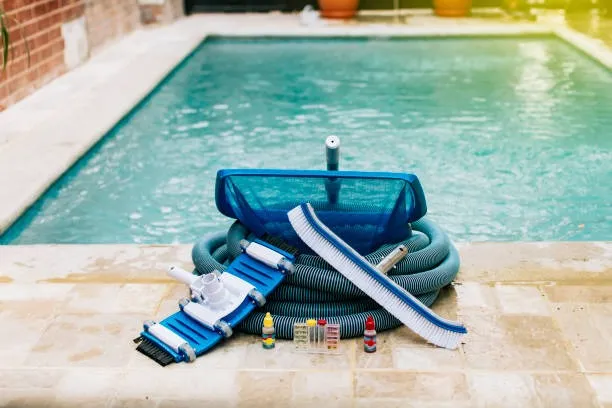
Why humidity control matters for indoor pools in West Allis, WI
Indoor pool environments produce continuous moisture. Without a dedicated dehumidification strategy, that moisture settles on windows, metal fittings, structural elements, and ductwork, causing:
- Reduced comfort for swimmers and staff from clammy air and poor perceived temperature.
- Corrosion and finish damage to lighting, railings, HVAC coils, and structural steel from salt and chlorine-laden vapor.
- Mold and mildew growth on walls, grout, and behind cladding in the humid Midwest climate.
- Energy waste and HVAC stress when building systems run inefficiently trying to control both temperature and humidity.
Controlling relative humidity stabilizes indoor comfort, protects building assets, and reduces long-term maintenance and replacement costs.
Benefits of purpose-built pool dehumidifiers
- Consistent humidity control at target comfort levels (typically 50 to 60 percent RH for natatoriums).
- Corrosion prevention by limiting chloride-laden moisture that attacks metal and electrical systems.
- Mold reduction and better IAQ through moisture removal and integrated ventilation.
- Energy recovery when units capture latent heat to reduce pool water or space heating loads.
- Longevity of finishes and equipment through stable, dry indoor conditions.
Types and capacities of pool dehumidifiers
Pool dehumidification equipment falls into a few main categories:
- Refrigerant condensing dehumidifiers - Most common. Use refrigeration to condense moisture, often with integrated gas or electric reheating to maintain space temperature.
- Desiccant dehumidifiers - Use moisture-adsorbent wheels and are effective at low temperature or very low humidity set points. Used in special applications or in pools with low air temperatures.
- Packaged rooftop or wall-mounted units - Used for commercial or community pools where space or service access favors external mounting.
- Split systems - Compressor and condensing components are outdoors with indoor air-handling coils to reduce sound and allow flexible placement.
Capacities are rated in moisture removal per day (pints/day or liters/day). Residential indoor pools often require modest-capacity units, while commercial natatoriums can need multiple units or large-capacity models rated for thousands of pints per day.
How to size equipment for pool volume and bather load
Proper sizing is essential. Key factors professionals evaluate include:
- Pool surface area and water temperature - More surface area and higher water temperature increase evaporation.
- Air temperature and target relative humidity - Evaporation rate is driven by the difference between water and air vapor pressures.
- Bather load and activity level - People introduce large, variable moisture loads through breathing and splashing during peak use times.
- Building envelope and ventilation - Infiltration of humid outdoor air and mechanical ventilation adds or removes moisture.
- Continuous versus intermittent operation - Public pools with variable schedules often need capacity for peak loads.
Technicians use industry evaporation formulas and manufacturer capacity charts to convert calculated moisture loads into pints/day requirements. As a rule of thumb range, small residential pools typically fall into low-capacity bands, while hotel, club, and municipal pools require medium to high capacity systems. A professional load calculation ensures the selected unit delivers stable RH under West Allis seasonal conditions.
Integration with existing HVAC systems
A pool dehumidifier should not operate in isolation. Typical integration measures:
- Heat recovery: Use the dehumidifier to reclaim latent heat and reduce separate pool water or space heating needs.
- Coordinated controls: Humidity sensors, building automation systems, and ventilation schedules help prevent fights between heating and humidification equipment.
- Dedicated ventilation: Supply of tempered outdoor air sized to code and to dilute chloramines and odors.
- Hydronic or refrigerant coupling: In many installations dehumidifiers transfer recovered heat to the pool water or building heating loop.
Thoughtful integration reduces operating costs and improves indoor air quality.
Energy-efficiency features and controls
Look for these features to improve lifetime operating cost:
- Variable speed fans and ECM motors for lower electrical use.
- Modulating compressors and stepped capacity staging to match variable loads.
- Enthalpy or humidity-based controls that vary ventilation and dehumidification by real measured need.
- Heat recovery wheels or plate exchangers to reclaim waste heat.
- Demand control ventilation linked to swimmer counts or scheduled occupancy.
These features are especially valuable in West Allis where seasonal swings create variable moisture loads.
Installation process and site considerations
A typical installation follows these steps:
- Site assessment and load calculation to determine capacity and placement.
- Mechanical layout including ducting, condensation drainage, and electrical service.
- Structural considerations for rooftop or basement placements and vibration isolation.
- Coordination with pool water heating systems if heat recovery is planned.
- Start-up and commissioning to calibrate sensors, verify airflow, and document performance under operating conditions.
Proper commissioning ensures the system meets predicted moisture removal and energy targets.
Routine maintenance needs
Regular maintenance keeps performance steady and prevents downtime:
- Inspect and clean coils and condensation pans seasonally.
- Replace or clean filters monthly during heavy use periods.
- Verify condensate drains and traps are clear.
- Calibrate humidity sensors annually.
- Check refrigerant charge and fan belts per manufacturer intervals.
- Schedule an annual service visit for full system check and preventive maintenance.
Case examples: outcomes from effective dehumidification
- Residential indoor pool: After installing a right-sized condensing dehumidifier with heat recovery, a basement pool went from persistent window condensation and visible corrosion to stable 55 percent RH. Corrosion-related maintenance costs dropped and occupant comfort improved.
- Community fitness center natatorium: Upgrading to staged dehumidifiers and integrating demand ventilation lowered peak humidity by 20 percent during busy swim meets and reduced overall HVAC run time, improving air quality and reducing energy use.
.png)
The Healthy Home Club is a year-round home maintenance plan designed to prevent breakdowns, catch issues early, and provide priority service when needed.
Essential Plan
$29/month
Annual HVAC, plumbing & electrical inspections
Priority scheduling
Priority scheduling
Reduced diagnostic fees
10% off repairs
Complete Plan
$39/month
Everything in essential
No after-hours diagnostic fees
15% off repairs
Extended warranty eligibility
Total Protection $49/month
Everything in complete
Annual water heater flush
Advanced system checks
1 free emergency dispatch per year
VIP priority scheduling
HVAC
Seasonal tune-ups to keep systems running efficiently
Plumbing
Annual whole-home inspection to catch issues early
Electrical
Safety inspection to identify risks
Most Home Breakdowns Are Preventable
Most issues don’t happen overnight — they build over time. The Healthy Home Club helps catch problems early so homeowners can avoid unexpected repairs.
Member Benefits
- Priority service
- Discounts on repairs
- No after-hours fees
- Fewer unexpected breakdowns