
Pool Installation in West Bend, WI

Pool Installation in West Bend, WI
Adding a pool transforms a yard into a year-round lifestyle asset, but installing one in West Bend, WI requires careful planning for seasonal weather, soil conditions, and local permitting.
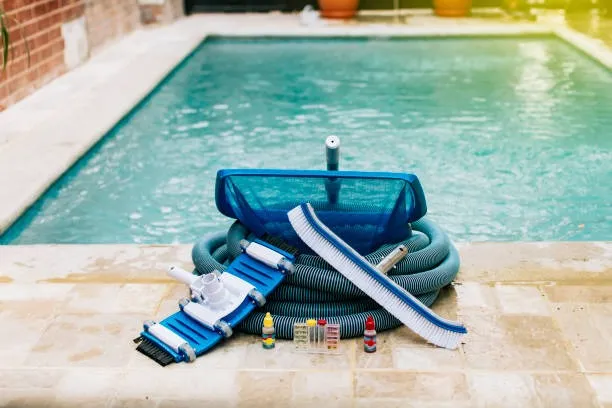
Why local factors matter for Pool Installation in West Bend, WI
West Bend experiences cold winters, spring thaws, and humid summers. These conditions affect:
- Frost depth and freeze protection needs for plumbing and equipment.
- Soil movement from freeze-thaw cycles, which influences foundation and coping choices.
- Seasonal use patterns that can make features like heaters and automation more valuable.
- Local permit and setback requirements that differ from neighboring communities.
Keeping these local variables in mind up front reduces surprises, protects your investment, and shortens overall timelines.
Types of pools and material choices
Choosing the right pool type depends on budget, yard layout, intended lifespan, and maintenance expectations.
- Inground pools
- Concrete (gunite or shotcrete): Highly customizable shapes and finishes. Best for long-term value and custom landscaping integration. Requires professional plaster or aggregate finishes and regular maintenance.
- Fiberglass: Faster install, smooth surface, lower lifetime algae growth. Limited to premanufactured shell sizes and shapes.
- Vinyl liner: Cost-effective and flexible in shape. Liners need periodic replacement and careful attention to support and water chemistry.
- Aboveground pools
- Steel or resin wall systems with modular decking. Faster, lower-cost installation and simpler winterization. Good for smaller lots or temporary solutions.
Finishes and coping options include plaster, exposed aggregate, aggregate with quartz, or tile accents. Material selection impacts durability in West Bend’s climate and should align with landscaping choices.
Equipment selection for Wisconsin conditions
Equipment choices should account for efficiency, winter protection, and ease of maintenance.
- Pumps: Variable-speed pumps save energy and provide proper turnover for filtration. Ensure pumps can be winterized or located in frost-protected areas.
- Filters: Cartridge, sand, and DE filters each have pros and cons for maintenance and clarity. Cartridge filters are low-maintenance; DE offers the finest filtration.
- Heaters: Gas heaters offer quick heat; heat pumps are more efficient for moderate temperature raises; consider combination systems for winter opening. Ensure adequate fuel and service access during colder months.
- Automation and controls: Timed filtration, remote app control, and integrated chemical controllers make seasonal management easier and reduce water chemistry issues.
- Sanitization: Traditional chlorine, salt chlorine generators, or advanced oxidation systems. Salt systems are popular for comfort but require components rated for salt exposure.
- Safety features: Compliant pool barriers, self-closing gates, anti-entrapment drains, and automatic covers are particularly important in family neighborhoods.
Site assessment, design, and permitting
A professional site assessment evaluates grade, drainage, utilities, and access. In West Bend, this includes checking municipal setback rules, fence requirements, and any neighborhood covenants.
Typical design and permitting steps:
- Onsite survey and utility locate.
- Concept design with shape, depth, and equipment placement.
- Engineered drawings if required by local code.
- Permit submission to West Bend and Washington County authorities.
- Addressing any code conditions, inspections, and final approval.
Allow time in your schedule for permit review and any revisions required by local inspectors.
Project timeline and staging
While timelines vary by pool type and site complexity, a typical inground project follows stages:
- Week 1: Final design, permit filing, and utility clearance.
- Week 2: Excavation and base preparation.
- Weeks 3-4: Shell installation or concrete shotcrete placement.
- Weeks 4-5: Plumbing, electrical, and equipment pad installation.
- Week 6: Decking and coping installation, initial fill begins.
- Week 7: Equipment startup, water chemistry balancing, and inspection.
- Week 8: Final landscaping, cleanup, and handover.
Aboveground installations compress many of these stages into a shorter timeframe. Winter projects need additional planning for cold-weather concrete and equipment protection.
Cost considerations and financing overview
Pool installation cost factors include:
- Pool type and shell material.
- Excavation complexity and soil remediation.
- Equipment quality and automation options.
- Decking, coping, and landscape integration.
- Permits, inspections, and utility work.
- Ongoing maintenance systems and winterization.
Financing options commonly used include home improvement loans, home equity financing, or third-party financing plans. Consider lifetime operating costs—heating, chemicals, and cover systems—when comparing bids.
Warranty, inspections, and quality assurance
Expect two layers of protection:
- Manufacturer warranties on shells, pumps, heaters, and automation components.
- Workmanship warranties from installers covering structural and installation defects.
Before final handover, a comprehensive inspection ensures plumbing, electrical, safety barriers, and finish work comply with codes. A written checklist should document warranties, maintenance tips, and component serial numbers.
Integration with landscaping and decking
Seamless integration enhances usability and protects the pool:
- Drainage and grading to move runoff away from the pool and prevent standing water during spring thaws.
- Decking options: paver, stamped concrete, natural stone, composite decking, or treated wood. Choose materials that handle freeze-thaw cycles and provide non-slip surfaces.
- Retaining walls, planters, and low-maintenance plantings suited to local soil and climate improve aesthetics and reduce debris.
- Fence and gate placement for safety and code compliance.
Post-installation testing and handover
Before you take ownership, professional post-installation steps include:
- Complete water chemistry balancing and first-cycle shock.
- Equipment run-through: verify pumps, heaters, automation, and drainage function properly.
- Demonstration of routine maintenance, winterization procedures, and troubleshooting common issues in West Bend (algae bloom control in summer, freeze protection in winter).
- Delivery of warranty documentation and maintenance schedule.
Common regional issues and preventive measures
Common pool problems in West Bend can be largely prevented:
- Freeze-related plumbing damage: Use insulated equipment pads, install freeze-proof valves, and follow strict winterization.
- Soil shifting: Proper compaction and engineered wall supports reduce movement from freeze-thaw cycles.
- Algae and heavy rainfall: Automated chemical feeders and robust filtration help maintain clarity during hot, humid periods.
- Runoff and drainage: Grading and French drains protect pool finishes from silt and erosion.
Choosing materials rated for local conditions and planning for seasonal care are the best defenses against regional wear.
Long-term benefits
A well-installed pool in West Bend adds lifestyle value, supports outdoor entertaining, and can increase property appeal when integrated thoughtfully with landscaping and decking. Prioritizing local climate resilience, permit compliance, and quality equipment ensures a pool that performs reliably year after year.
This overview gives a clear roadmap for Pool Installation in West Bend, WI from planning through handover, with the regional considerations needed to make a confident, informed decision.
.png)
The Healthy Home Club is a year-round home maintenance plan designed to prevent breakdowns, catch issues early, and provide priority service when needed.
Essential Plan
$29/month
Annual HVAC, plumbing & electrical inspections
Priority scheduling
Priority scheduling
Reduced diagnostic fees
10% off repairs
Complete Plan
$39/month
Everything in essential
No after-hours diagnostic fees
15% off repairs
Extended warranty eligibility
Total Protection $49/month
Everything in complete
Annual water heater flush
Advanced system checks
1 free emergency dispatch per year
VIP priority scheduling
HVAC
Seasonal tune-ups to keep systems running efficiently
Plumbing
Annual whole-home inspection to catch issues early
Electrical
Safety inspection to identify risks
Most Home Breakdowns Are Preventable
Most issues don’t happen overnight — they build over time. The Healthy Home Club helps catch problems early so homeowners can avoid unexpected repairs.
Member Benefits
- Priority service
- Discounts on repairs
- No after-hours fees
- Fewer unexpected breakdowns