
Electrical Panel Installation Upgrades in Cedarburg, WI

Electrical Panel Installation Upgrades in Cedarburg, WI
Upgrading or installing a new electrical service panel is one of the most effective ways to improve safety, reliability, and capacity in your Cedarburg home. Many homes in Cedarburg were built decades ago and still rely on outdated panels or undersized service that cannot keep up with modern loads like heat pumps, whole-home air conditioning, EV chargers, and multiple high-draw appliances. An electrical panel installation upgrade addresses those limits, brings your system up to current code, and reduces the risk of nuisance trips or electrical fire hazards.
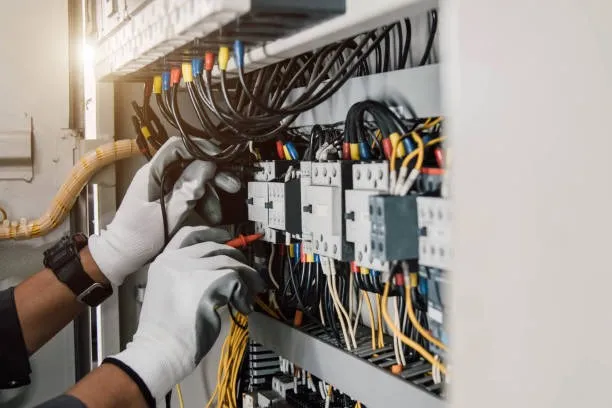
Why Cedarburg homes commonly need panel upgrades
- Older historic homes in Cedarburg often have 60A or 100A panels that were adequate originally but are now overloaded by modern living.
- Winter heating loads and summer HVAC demands put extra stress on service capacity in southeastern Wisconsin’s seasonal climate.
- Homes being renovated, finished basements, or adding EV chargers and heat pumps commonly require a larger service or subpanel.
- Known hazardous legacy equipment (e.g., Federal Pacific, Zinsco, or fused panels) still exists in some local houses and is a common reason for replacement.
Common electrical panel issues in Cedarburg, WI
- Frequent breaker trips under normal use, indicating overloaded circuits or deteriorating breakers
- Warm or sparking breakers, rust or corrosion from humidity or roof leaks
- Lack of space for new circuits when adding appliances or HVAC equipment
- Outdated two-prong outlets or absence of modern safety devices (AFCI, GFCI)
- Evidence of DIY modifications, double-tapped breakers, or improper wiring that fail modern inspection
Assessment and load calculation process
Every upgrade begins with a thorough site assessment and load calculation tailored to your home’s current and expected future needs. Key steps include:
- Visual inspection of existing service panel, meter location, grounding, bonding, and conduit access
- Detailed inventory of appliances, HVAC equipment (heat pump, furnace), electric vehicle charging plans, and planned future loads
- Load calculation using industry-accepted methods to determine proper service size (100A, 150A, 200A, or larger) and panel configuration
- Identification of any required upgrades to the meter socket, service entrance conductors, or grounding system to meet code
This diagnostic phase typically takes one to two hours on site and ensures the recommended panel capacity and breaker layout meets the National Electrical Code and local Cedarburg requirements.
Choosing the right panel and modern features
Selecting the correct equipment is essential for long-term performance and safety. Considerations include:
- Properly sized main breaker and panel bus to accommodate calculated load
- Manufacturer-rated breakers and compatibility with the chosen panel
- Options for modern features:
- Subpanels to add circuits without relocating the main panel
- Whole-house surge protection to protect electronics from transient voltage events
- Smart breakers or load-monitoring panels for load management and diagnostics
- AFCI and GFCI protection as required by current code for bedroom, kitchen, bathroom, garage, and exterior circuits
Panels are selected not just for capacity but for future flexibility, allowing additional circuits for remodeling, EV charging, or supplemental HVAC equipment common in Cedarburg homes.
Code compliance, permits, and inspections
Upgrades must comply with the National Electrical Code and local municipality rules. In Cedarburg, this means:
- Pulling the required permits from the local building department before work begins
- Coordinating any meter or service equipment changes with the utility provider
- Ensuring grounding, bonding, conductor sizing, and clearance requirements meet code
- Scheduling and passing the municipal electrical inspection after installation
Following the proper permitting and inspection process protects homeowners, preserves insurance coverage, and ensures a safe, code-compliant installation.
Installation and inspection process explained
- Preparation: disconnect power at the meter as coordinated with the utility, label circuits, and secure access.
- Equipment staging: mount new panel and components, route new conductors, and prepare grounding/bonding.
- Breaker and circuit work: transfer or replace circuits, install required AFCI/GFCI devices, and add dedicated circuits for high-demand equipment.
- Final testing: verify load balancing, continuity of grounding, proper breaker function, and no loose connections.
- Inspection: municipal electrician inspects the work. Any corrective items are addressed and re-inspected as needed.
Typical on-site installation time varies by scope. A straight panel replacement may take a single day. A full service upgrade that includes meter, service conductor changes, or meter socket relocation may require two to three days and coordination with the utility.
Cost considerations (factors that affect price)
While specific pricing varies, factors that influence the overall cost include:
- Required service size and panel brand/type
- Number of circuits and complexity of transfers or new wiring
- Need for meter or utility-side work, meter socket relocation, or new service entrance conductors
- Accessibility of the panel and whether structural work is required to relocate it
- Local permit fees and inspection requirements
- Replacement of hazardous legacy equipment or additional grounding work
Evaluating these variables during the site assessment provides a clear picture of scope and the best technical approach.
Safety benefits and performance improvements
Upgrading the electrical panel delivers measurable benefits:
- Reduced fire risk by removing known hazardous panels and eliminating overheating connections
- Fewer nuisance trips and more reliable operation under modern household loads
- Capacity for new equipment such as EV chargers, heat pumps, or workshop circuits
- Improved energy management with options for smart breakers and surge protection
- Peace of mind through code compliance and documented inspection approval
Warranty and financing options
Equipment typically includes manufacturer warranties on panels and breakers. Installations are commonly covered by a workmanship warranty for a defined period, and warranty terms vary by installer and equipment chosen. Homeowners may also have access to financing options designed for home improvements to spread the investment over time. Details are generally provided during the planning and quoting phase, allowing you to choose equipment and terms that match long-term plans.
Maintenance and long-term care
After installation:
- Keep the panel area clear and accessible
- Have periodic visual checks for moisture, corrosion, or unusual odors
- Schedule professional electrical maintenance or inspections when adding significant new loads
- Test AFCI/GFCI devices per manufacturer recommendations
Timely maintenance helps preserve the life of the system and ensures continued safety.
Related Services & Nearby Areas
Explore our full Electrical Panel Installation Upgrades services, or find electrical panel installation upgrades in a nearby community:
.png)
The Healthy Home Club is a year-round home maintenance plan designed to prevent breakdowns, catch issues early, and provide priority service when needed.
Essential Plan
$29/month
Annual HVAC, plumbing & electrical inspections
Priority scheduling
Priority scheduling
Reduced diagnostic fees
10% off repairs
Complete Plan
$39/month
Everything in essential
No after-hours diagnostic fees
15% off repairs
Extended warranty eligibility
Total Protection $49/month
Everything in complete
Annual water heater flush
Advanced system checks
1 free emergency dispatch per year
VIP priority scheduling
HVAC
Seasonal tune-ups to keep systems running efficiently
Plumbing
Annual whole-home inspection to catch issues early
Electrical
Safety inspection to identify risks
Most Home Breakdowns Are Preventable
Most issues don’t happen overnight — they build over time. The Healthy Home Club helps catch problems early so homeowners can avoid unexpected repairs.
Member Benefits
- Priority service
- Discounts on repairs
- No after-hours fees
- Fewer unexpected breakdowns