
Air Purifiers in Richfield, WI

Air Purifiers in Richfield, WI
Keeping indoor air clean in Richfield, WI matters year round. Cold winters with closed homes, wood smoke from fireplaces and outdoor burning, spring pollen, and summer humidity that encourages mold all combine to make indoor air quality a persistent concern.
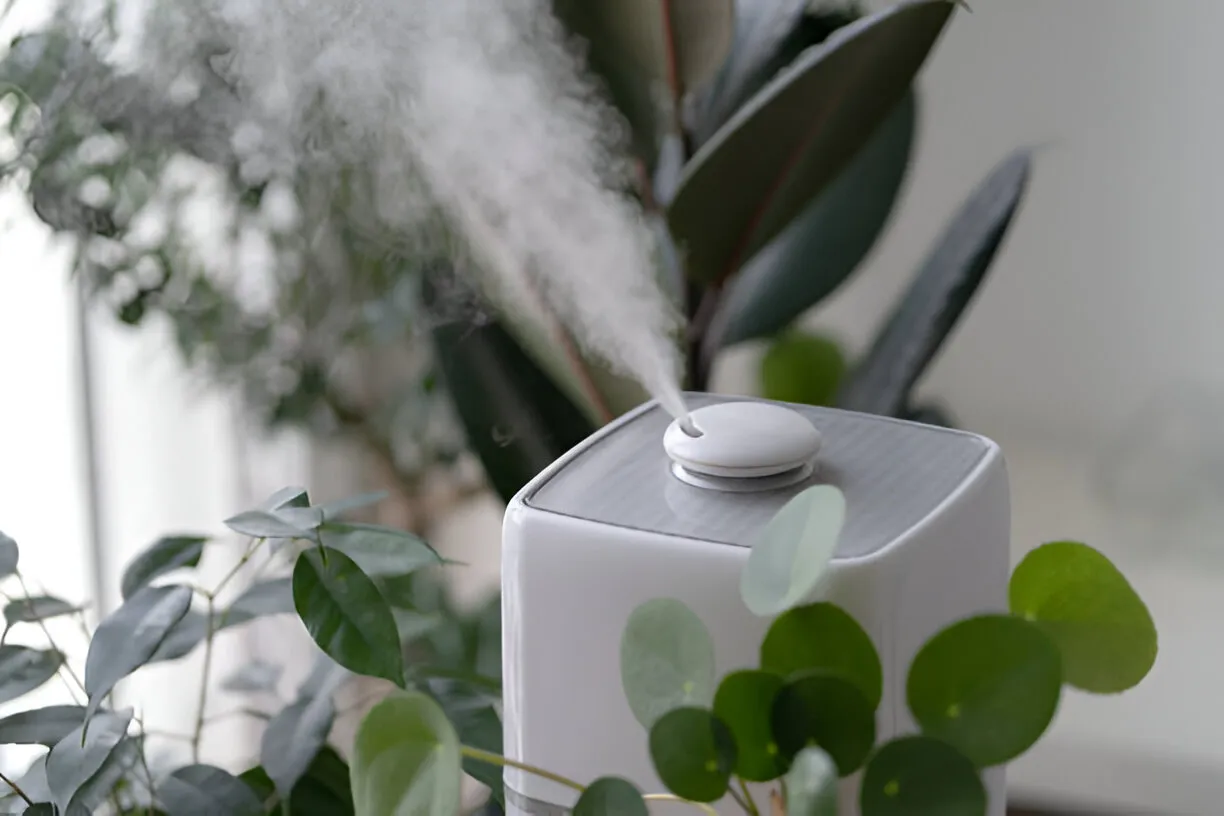
Why consider an air purifier in Richfield, WI
- Winter: Homes are tightly sealed for heating efficiency, trapping pollutants and increasing particulate concentration.
- Wood smoke and vehicle emissions: Fine particles from smoke and local traffic penetrate homes and aggravate respiratory conditions.
- Seasonal allergens: Spring and fall bring pollen and mold spores that settle indoors.
- Odors and VOCs: Everyday cooking, cleaning products, and new furnishings release volatile organic compounds that benefit from filtration.
Addressing these issues with the right air purifier reduces allergy symptoms, controls odors, removes smoke and fine particles, and supports overall respiratory health.
Portable vs whole-home systems: what fits your home
- Portable air purifiers
- Ideal for single rooms: bedrooms, living rooms, or rooms with a specific pollutant source.
- Quick installation: plug-and-play units that start cleaning immediately.
- Good for renters or targeted relief for allergy sufferers.
- Whole-home (in-duct) air purifiers
- Integrated with your HVAC system to treat air across the entire house when the blower runs.
- Best for continuous, homewide air quality improvement and for households with multiple sensitive occupants.
- Requires professional sizing and installation to avoid impacting airflow and system efficiency.
Choosing between portable and whole-home depends on house size, where occupants spend most time, and whether you need targeted or systemwide treatment.
How purification technologies compare
- True HEPA (High Efficiency Particulate Air)
- Captures 99.97 percent of particles down to 0.3 microns.
- Excellent for pollen, dust mites, pet dander, and smoke particulates.
- Does not remove gases or odors without an added carbon stage.
- Activated carbon
- Adsorbs odors, smoke gases, and many volatile organic compounds.
- Often paired with HEPA to address both particles and gases.
- PECO (Photo Electrochemical Oxidation)
- Uses a light-activated catalytic reaction to break down VOCs and some pathogens at a molecular level.
- Useful for persistent odors and chemical off-gassing.
- Generally paired with pre-filters for particles.
- Bipolar ionization (including needlepoint)
- Generates ions that encourage particles to clump for easier capture and can inactivate some microbes.
- Performance varies widely; effectiveness depends on system design and maintenance.
- Concerns exist around byproduct formation in poorly designed systems, so choose reputable equipment.
For Richfield homes dealing with both smoke and seasonal allergens, a combination of True HEPA + activated carbon is a practical, proven approach. Advanced options like PECO add value when off-gassing or stubborn odors are a priority.
Sizing and placement for effective pollutant removal
- Sizing fundamentals
- For portable units, consider room volume and required air changes per hour (ACH). Bedrooms typically need higher ACH for effective overnight relief.
- For whole-home systems, professional sizing ensures adequate filtration without restricting HVAC airflow. Integration must match furnace/air handler capacity.
- Placement tips
- Portable units: place near the pollution source (kitchen, fireplace, or a window where pollen enters) and avoid cornered or obstructed locations.
- Bedrooms: place the unit near the head of the bed for best breathing-zone benefits.
- Whole-home: install in the return duct or near the air handler so filtered air is distributed through supply vents.
- Noise and airflow
- Higher fan speeds increase cleaning but also noise. Select units with variable speeds and sleep modes for nighttime use.
Maintenance needs and filter replacement considerations
- Filter maintenance
- Pre-filters: capture large particles and extend main filter life; clean or replace regularly.
- HEPA filters: require replacement on a schedule based on manufacturer guidance and indoor pollutant load.
- Activated carbon and specialty filters: saturate over time and need replacement to maintain odor and VOC control.
- Operational upkeep
- Keep intake and outlet areas clear of dust and furniture.
- Inspect units seasonally, especially after wildfire smoke events or heavy pollen seasons.
- For in-duct systems, include purifier checks during HVAC service visits to verify pressure drop and fan performance.
- Replacement costs and lifecycle
- Replacement frequency varies by technology and pollutant levels. Heavy smoke or pets increase the need for more frequent changes.
- Advanced technologies may have higher ongoing consumable costs than basic HEPA+carbon units, so factor lifecycle maintenance into purchasing decisions.
Common issues and troubleshooting
- Reduced airflow after installation
- Could indicate a clogged filter or an undersized system. Check filters and consult a professional for whole-home installations.
- Persistent odors despite filtration
- May require a carbon stage or PECO technology; identify and remove the source when possible.
- Noise concerns
- Try lower fan settings at night and position the unit farther from sleeping areas while ensuring effective coverage.
- Indoor humidity and mold
- Air purifiers reduce airborne spores but do not control humidity. Use dehumidification or ventilation to address active moisture problems.
Integration with existing HVAC systems
- In-duct purifiers require matching to the HVAC blower capacity and static pressure limits.
- Professionals will verify ductwork condition, select compatible mounting locations (return plenum or near the air handler), and confirm that filtration does not interfere with system controls or warranties.
- When paired properly, whole-home purifiers provide continuous protection with minimal daily intervention, while portable units supplement critical rooms as needed.
Benefits summary and practical next steps for Richfield homeowners
- Clear health benefits: reduced allergy and asthma triggers, fewer odor complaints, and better protection from smoke events.
- Smart investment: choose technology based on your primary concern — particles, odors/VOCs, or both — and plan for routine maintenance.
- Local relevance: because Richfield experiences seasonal pollen, wood smoke, and tight winter building envelopes, combining whole-home solutions with portable units in problem rooms often delivers the best balance of performance and flexibility.
Regular filter checks, seasonal inspections, and selecting the right technology for your primary pollutants will keep indoor air healthier year round in Richfield, WI.
.png)
The Healthy Home Club is a year-round home maintenance plan designed to prevent breakdowns, catch issues early, and provide priority service when needed.
Essential Plan
$29/month
Annual HVAC, plumbing & electrical inspections
Priority scheduling
Priority scheduling
Reduced diagnostic fees
10% off repairs
Complete Plan
$39/month
Everything in essential
No after-hours diagnostic fees
15% off repairs
Extended warranty eligibility
Total Protection $49/month
Everything in complete
Annual water heater flush
Advanced system checks
1 free emergency dispatch per year
VIP priority scheduling
HVAC
Seasonal tune-ups to keep systems running efficiently
Plumbing
Annual whole-home inspection to catch issues early
Electrical
Safety inspection to identify risks
Most Home Breakdowns Are Preventable
Most issues don’t happen overnight — they build over time. The Healthy Home Club helps catch problems early so homeowners can avoid unexpected repairs.
Member Benefits
- Priority service
- Discounts on repairs
- No after-hours fees
- Fewer unexpected breakdowns